
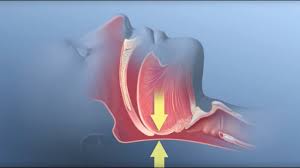
Obstructive sleep apnea is a condition in which a person’s breathing stops repeatedly during sleep, often for over a minute, due to obstructions at the back of the throat. The stop in airflow eventually wakens the person just enough so that they can take a gasp of air, and the cycle then continues. An official diagnosis of OSA is indicated by more than 30 apneas in seven hours, but some people may have up to 500 incidences per night, without even knowing it.
The Dangers of Sleep Apnea
It is estimated that 5-20% of adults have obstructive sleep apnea, and it is also found in significant numbers in children. Sleep apnea is a very serious condition, and can even be dangerous. Untreated, the risks include stroke and problems with the heart such as irregular heartbeat, elevated blood pressure, and heart attack. The lack of sleep associated with it can also have unwanted mental and emotional effects on a person, including depression, relationship stress, increased risk of accidents and lost productivity at work.
How do I know if I have sleep apnea?
Most people can’t tell on their own that they have sleep apnea, as they sleep through most of the symptoms. The most telling symptoms are ones that a sleeping partner witnesses.
Ask your partner how often you:
Snore loudly
Stop breathing
Awaken abruptly with shortness of breath
Symptoms You Can Recognize On Your Own:
Headaches
Dry mouth or sore throat
Insomnia
Sleepiness
Irritability and attention problems
Sleep Apnea Treatments
There are a variety of options available to us when treating sleep apnea, depending on the severity of your case.
CPAP (Continuous Positive Airway Pressure)
Treatment often starts with the use of a CPAP device, which uses very mild air pressure to keep the airways open. While CPAP machines can seem uncomfortable at first, within a short period of time, most people are able to sleep comfortably. Sometimes, we have to try several models to get the right fit.
At Home
Sleep on your side.
Avoid alcohol and sedative medications.
Exercise (just 30 minutes of moderate activity on most days can relieve some symptoms of sleep apnea).
Lose weight if you are overweight (fat deposits around the upper airway may obstruct breathing).
Stop smoking (smoking increases inflammation in the upper airway).
Oral Appliances
Oral appliances help to keep the throat open, relieving snoring and mild sleep apnea.
Surgery for Sleep Apnea
Surgery is typically seen as a more serious treatment option for those with unresolved sleep apnea after trying the above remedies. Surgery is designed to enlarge the airway. We have several options, depending on your anatomy and level of distress.
Surgical Options Include:
Tissue Removal (Uvulopalatopharyngoplasty (UPPP)):
The soft palate is shortened and stiffened by removing part of the uvula and soft palate edge.
Securing of the “Adam’s Apple” (Hyoid Suspension):
The hyoid bone is secured to cartilage for stabilization.
Tightening of the Front Tongue Tendon (Genioglossus Advancement (GGA)):
This keeps the tongue from obstructing the airway.
Jaw Surgery (Maxillomandibular Advancement (MMA)):
The upper and lower jaws and soft tissues are moved forward to open the airways.
Frequently Asked Questions — Obstructive Sleep Apnea (OSA) & Airway Surgery
1. What is obstructive sleep apnea (OSA)?
OSA is a condition where breathing repeatedly stops during sleep due to airway blockage.
Common signs include loud snoring, choking during sleep, and daytime tiredness.
2. What causes sleep apnea?
Common causes:
-
Narrow or blocked airway
-
Enlarged tongue, soft palate, or uvula
-
Small or retruded lower jaw
-
Obesity
-
Nasal obstruction
-
Large tonsils
-
Collapsing airway during sleep
3. What symptoms might I experience with OSA?
Symptoms include:
-
Loud snoring
-
Choking or gasping during sleep
-
Morning headaches
-
Daytime sleepiness
-
Poor concentration
-
Dry mouth
-
Mood changes
-
High blood pressure
4. How is sleep apnea diagnosed?
Diagnosis is made through a sleep study (polysomnogram) which measures breathing pauses, oxygen levels, and sleep quality.
5. What are the treatment options for sleep apnea?
Treatment depends on severity and cause:
-
CPAP machine (air pressure device)
-
Oral appliances (mandibular advancement devices)
-
Weight management
-
Nasal breathing correction
-
Surgical airway procedures
6. What surgeries help treat sleep apnea?
Common procedures include:
-
Maxillomandibular Advancement (MMA) – moves both jaws forward
-
Genioglossus Advancement – pulls the tongue forward
-
Uvulopalatopharyngoplasty (UPPP) – widens throat passage
-
Nasal surgery – improves airflow
-
Tongue base reduction
-
Hyoid suspension
Your surgeon will choose the right combination based on airway anatomy.
7. What is Maxillomandibular Advancement (MMA)?
MMA is the most effective surgical procedure for moderate to severe OSA.
It enlarges the entire airway by bringing both jaws forward.
Benefits:
-
Significant improvement in breathing
-
Reduction or elimination of OSA events
-
Improved quality of sleep
-
Better facial balance
8. What is genioglossus advancement surgery?
This surgery repositions the tongue muscle attachment to prevent the tongue from falling backward during sleep.
It helps relieve airway obstruction in suitable patients.
9. How effective is surgery for sleep apnea?
Jaw advancement surgeries such as MMA have success rates of 80–90% for correcting moderate to severe OSA.
Smaller procedures may also help depending on anatomy.
10. When is surgery recommended instead of CPAP?
Surgery may be recommended when:
-
CPAP is intolerable
-
Structural airway blockages are present
-
Severe jaw retrusion exists
-
OSA persists despite non-surgical treatment
11. What is recovery like after sleep apnea surgery?
Recovery varies by procedure, but common experiences include:
-
Swelling
-
Temporary discomfort
-
Mild difficulty swallowing
-
Improvement in breathing within weeks
Jaw surgeries such as MMA require a longer recovery period, similar to orthognathic surgery.
12. Are sleep apnea surgeries safe?
Yes. They are well-studied and have high success rates when performed by experienced surgeons.
Preoperative planning with 3D imaging enhances safety.
13. Can sleep apnea return after surgery?
If contributing factors such as weight gain, nasal obstruction, or aging occur, symptoms may return.
Regular follow-up helps monitor long-term results.
14. Will surgery stop my snoring?
Most patients experience significant reduction or complete elimination of snoring, especially with jaw advancement procedures.
15. Is jaw surgery (MMA) painful?
Pain is manageable with medication.
Most patients report discomfort similar to orthognathic surgery — swelling more than pain.
16. Does sleep apnea surgery change my appearance?
Jaw advancement procedures often create a more balanced facial profile.
The result is usually positive and natural-looking.
17. How soon can I return to work after sleep apnea surgery?
Depending on the procedure:
-
Minor procedures: 1–2 weeks
-
Major jaw advancement (MMA): 2–3 weeks
Your surgeon will provide specific guidance.
Sleep Apnea & Airway Surgery — Postoperative Instructions
These instructions apply to MMA, genioglossus advancement, UPPP, tongue base procedures, and nasal surgeries.
1. Swelling & Bruising
-
Significant swelling for 3–5 days is normal
-
Use cold compresses for 48 hours
-
Bruising around jaw or neck may occur
2. Eating & Drinking
-
Begin with liquids the day after surgery
-
Progress to soft diet over 1–2 weeks
-
Avoid crunchy, spicy, or acidic foods initially
-
Maintain hydration
3. Breathing & Airway Care
-
Nasal congestion is normal (especially after nasal surgery)
-
Use prescribed nasal sprays
-
Sleep with head elevated for 1–2 weeks
-
Avoid blowing your nose for 10–14 days
4. Activity
-
Avoid heavy lifting or strenuous activity for 2 weeks
-
Gentle walking is encouraged
-
Avoid talking excessively during early healing
5. Pain Management
-
Pain is usually moderate and well-controlled with medication
-
Take medications as prescribed
-
Avoid smoking or vaping — delays healing
6. Oral & Throat Care
-
Expected throat dryness or soreness
-
Mouth rinses may be prescribed
-
Use humidifier at night if possible
7. Follow-Up
You will have scheduled follow-up visits to monitor:
-
Airway improvement
-
Healing
-
Oxygen saturation
-
Sleep quality
8. When to Contact Your Surgeon
Seek urgent care if you notice:
-
Severe breathing difficulty
-
Persistent bleeding
-
Fever over 38.5°C
-
Dehydration
-
Sudden increase in swelling
Sleep Apnea Surgery in Abu Dhabi, UAE — Advanced Surgical Solutions for Airway Obstruction
Obstructive Sleep Apnea (OSA) is a serious medical condition where breathing repeatedly stops during sleep due to airway blockage.
If you are searching for sleep apnea surgery UAE, MMA surgery Abu Dhabi, or OSA surgeon UAE, this page provides essential information.
What Causes Sleep Apnea?
-
Narrow or collapsible airway
-
Small or retruded lower jaw
-
Enlarged tongue
-
Nasal blockage
-
High BMI
-
Large soft palate or uvula
Surgical Solutions Offered
-
Maxillomandibular Advancement (MMA) — gold standard for severe OSA
-
Genioglossus Advancement
-
Hyoid Suspension
-
Uvulopalatopharyngoplasty (UPPP)
-
Nasal airway surgery
-
Tongue base reduction
Benefits of Sleep Apnea Surgery
✔ Opens the airway permanently
✔ Reduces or eliminates snoring
✔ Improves oxygen levels
✔ Enhances sleep quality
✔ Boosts daytime energy
✔ Reduces cardiovascular risk
Why Choose Dr. Thomas?
With over 30 years of international surgical experience and expertise in both orthognathic and airway surgery, Dr. Thomas provides customized, anatomy-based solutions for sleep apnea.
For evaluation and advanced surgical treatment of sleep apnea, book a consultation.
